

Tank gauging: how level probes work
What tank gauging is, what a magnetostrictive probe measures (level, water, temperature), what alarms it offers and what its limits are for your station.

For owners and managers of service stations in Colombia: inventory, shifts, compliance and fleets. Written by the Orbion team; the regulations cited were reviewed as of October 2026.
A guide for Colombian fuel station owners: what service station software should cover, from sales and shifts to inventory, fleets and compliance.
What tank gauging is, what a magnetostrictive probe measures (level, water, temperature), what alarms it offers and what its limits are for your station.
How to control fuel inventory at your station: what to measure, how often, and how to move from the dipstick to continuous measurement.
How to run an orderly shift close at your station: pump totalizers, money collected and credit sales, and how to automate each attendant's balance.
Why the fuel in your tank does not match your station's sales, the most common causes, and how to reconcile inventory against sales without spreadsheets.
What SICOM is and what a Colombian service station must register: the monthly volumetric balance and the public selling price (rule as of Oct 2026).
What a Colombian fuel station must issue: electronic invoice or POS equivalent document, when, and what applies to credit sales. Per DIAN, October 2026.
How to control fuel for a fleet or a plant with its own tank: identify vehicle and driver, set quotas and compare against the odometer.
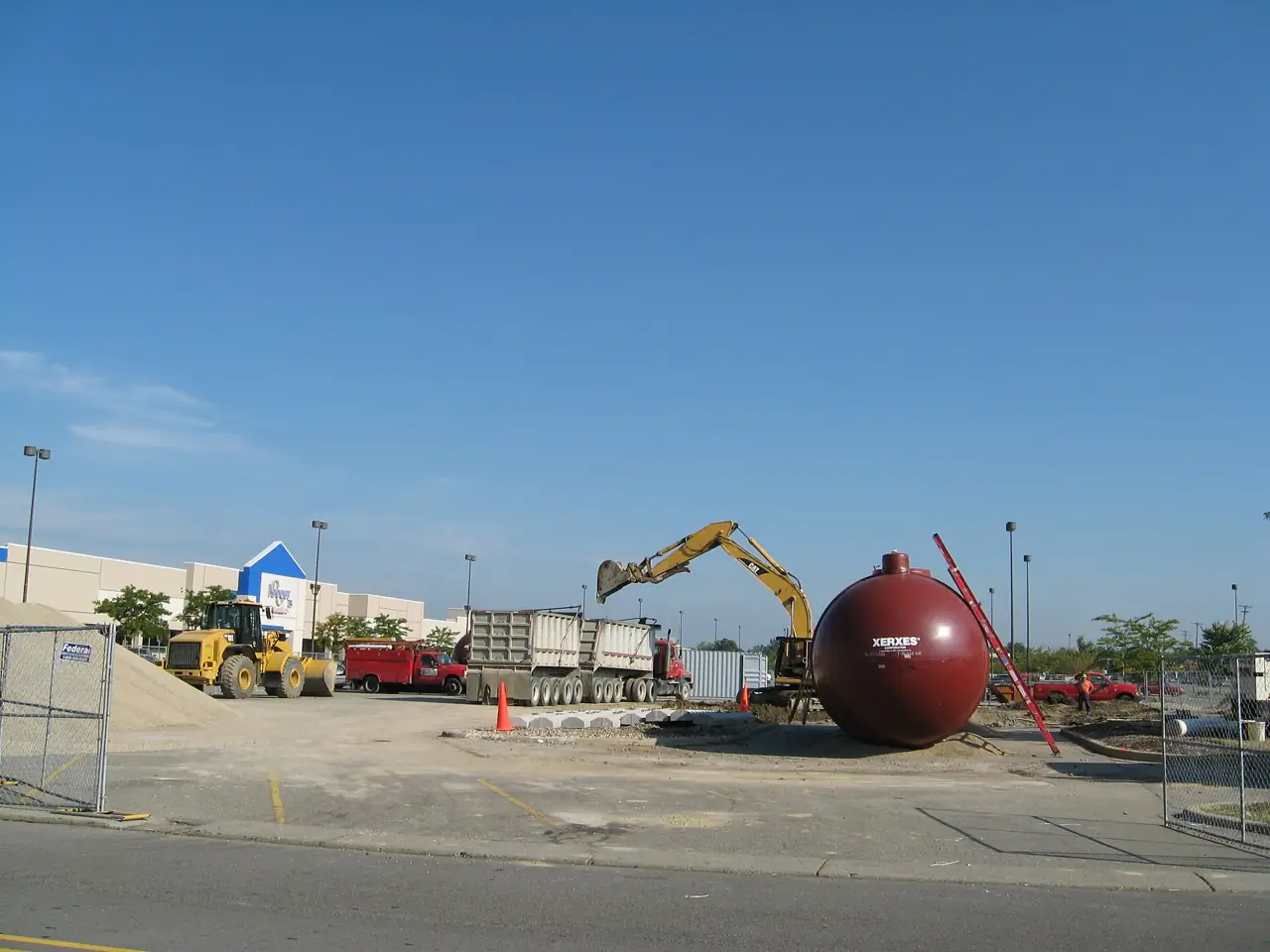
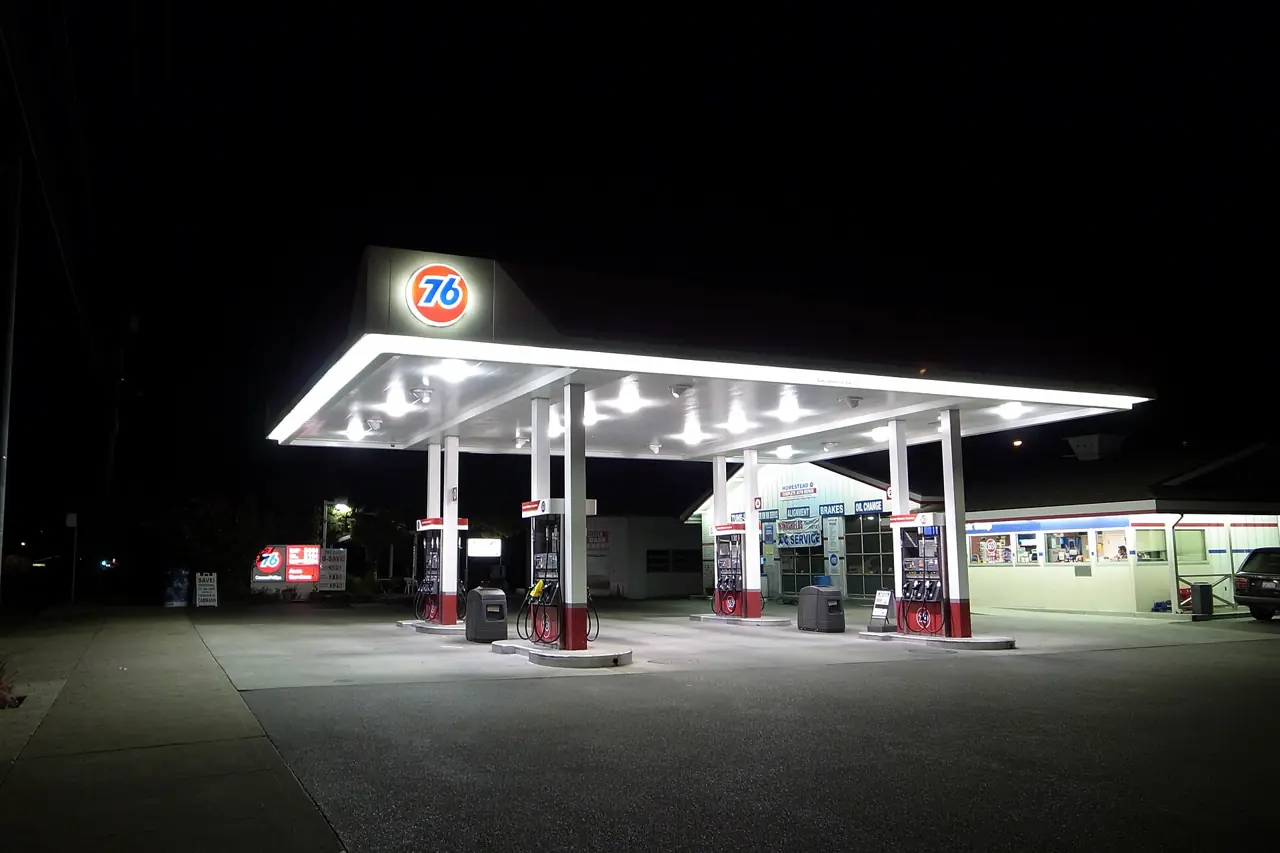
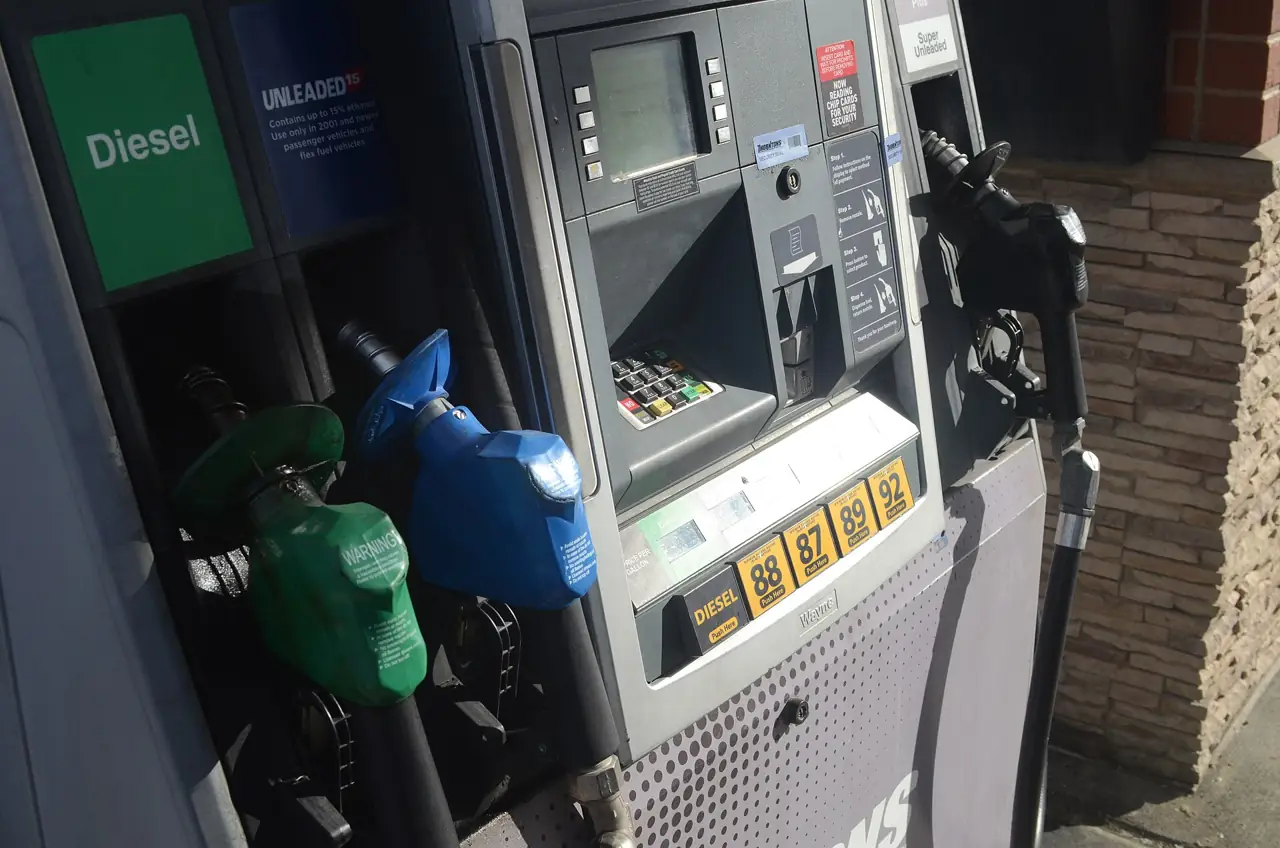
The three photographs on this page come from Wikimedia Commons and are used under Creative Commons Attribution licences; the author, the licence and the link to the original work are under each one. The other photographs on the site are Gasoleo's.
