

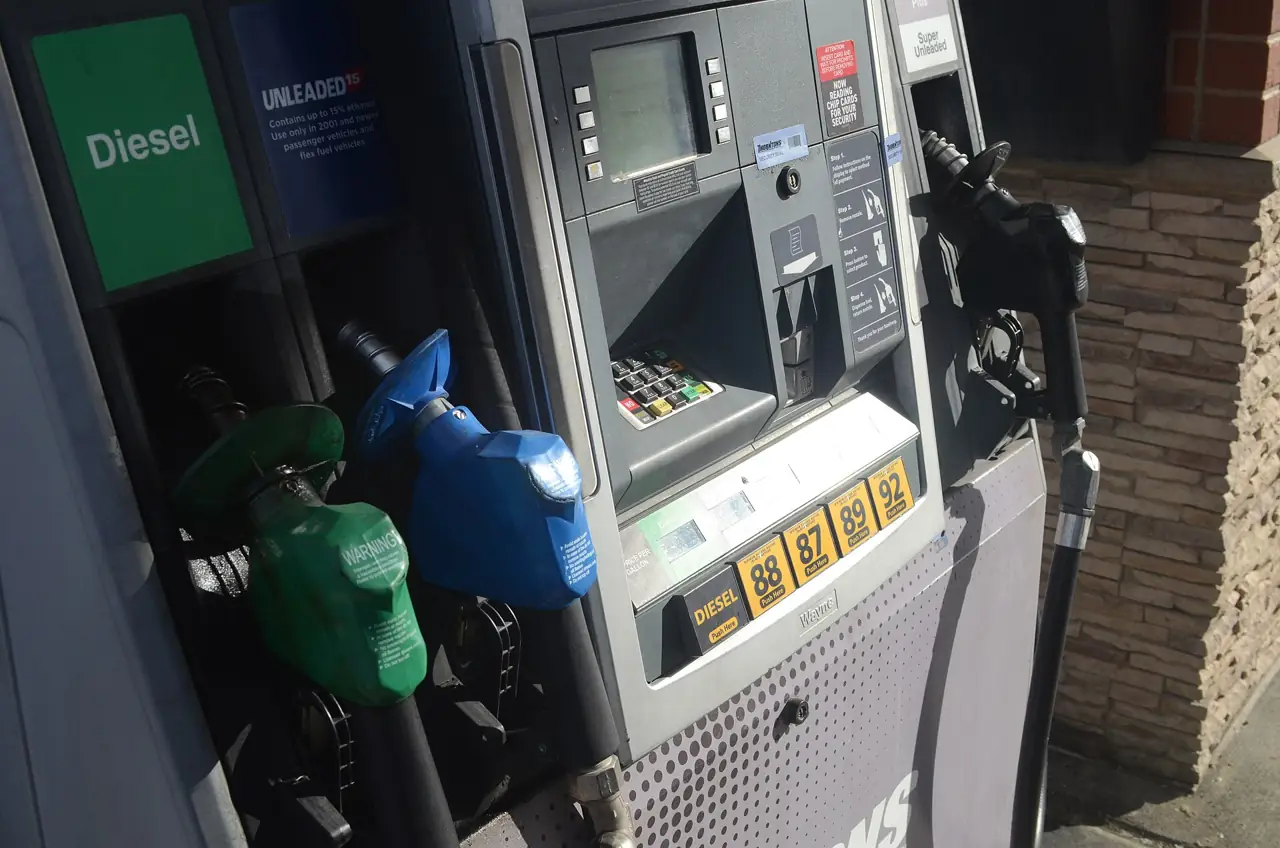

The shift close is when the station checks whether what was dispensed, what was invoiced and what was collected say the same thing. It is an operating practice, not a rule with a mandatory format: each station defines its own. What matters is that it is the same every day and leaves evidence.
The three pillars of the close
- What was dispensed. Reading each hose's totalizer at opening and closing. The difference in litres, times the current price of each product, gives the expected sales value.
- What was collected. Cash, cards, transfers, vouchers and credit or fleet sales, by payment method.
- What was invoiced. Every sale needs its invoice or equivalent document. According to DIAN Concept 10816 of 2024, a retail fuel distributor must issue it at the time of sale, even if the sale is on credit (see e-invoicing at the station).
If the three pillars agree, the shift balances. If not, the difference carries a name: the operator's and the hose's.
A simple procedure
- At opening: the operator identifies themselves, and initial totalizers and opening cash are recorded.
- During the shift: each dispense is linked to the operator. Credit sales are recorded with the customer or fleet.
- At closing: final totalizers are read, cash is counted and the three figures are compared. The difference is noted and explained before closing.
- Afterwards: the manager reviews differences by operator, hose and shift. A difference that repeats on the same hose is usually a calibration issue.
Common mistakes
- Closing "by eye" without reading totalizers.
- Balancing only the money and not the litres.
- Mixing shifts: a dispense that started in one shift and ended in another.
- Letting the same user open and approve the close.
- Leaving small differences "for later".
How Orbion solves it
Orbion Fuel Control records sales by dispenser, product, operator and shift; handles opening, closing and balancing per point of sale and operator; lets you block or enable pumps with operator identification by RFID; and covers credit sales and several payment types. The shift close is reconciled automatically. Permissions are assigned by role, and reports and the event history remain available for audit.
Frequently asked questions
What is a cash balance at a fuel station?
The comparison, at the end of the shift, between what should be in the till according to sales and what is actually there.
Who should do the close?
The operator hands over and the supervisor or manager receives and approves. They should not be the same person.
Is there a mandatory close format?
The reference consulted for this article found no fixed format for the shift-close report; it is an operating practice of each station. Your accountant can tell you what supporting documents you need.
What do I do about small differences?
Record them and follow their trend. A small, constant difference reveals a calibration or method problem.
Can I close the shifts of several stations in one place?
With a multi-site platform, closings from several stations are consolidated in a single view.
Take the next step
Request a demo and see the shift close for a station like yours.